As fandom becomes increasingly platform-driven , artists should shift from simply feeding content to audiences toward building spaces where fans actively engage with one another.
If you’re trying to connect to people with music – it’s more of an outward process and a lot of times musicians can be very inward. —Dave Grohl
We all hear about “building a fanbase”, something that can be large, passionate, and financially significant. But there are only so many benefits when there is little connection between fans themselves, and when the relationship remains primarily a one-to-one dynamic between each fan and the artist.
The evolution of fan clubs shows that fandom has never really been about proximity to the artist alone. From Usenet newsgroups to Tumblr pages, Reddit threads, and Discord servers, fans have consistently searched for ways to connect with each other through a shared passion. As one article of That Fangirl Life evolution explains, these spaces allowed fans to exchange news, discuss music and media, create art, and build communities that stretched across cities, countries, and eventually the entire globe.
Creating an instagram channel alone is not enough as it does not automatically generate interaction between fans. A community requires a sustained fan-to-fan engagement, where people actively interact, create, and form relationships around shared meaning.
How Fandom Becomes Community
We all hear about “building a fanbase”, something that can be large, passionate, and financially significant. But there are only so many benefits when there is little connection between fans themselves, and when the relationship remains primarily a one-to-one dynamic between each fan and the artist.
The evolution of fan clubs shows that fandom has never really been about proximity to the artist alone. From Usenet newsgroups to Tumblr pages, Reddit threads, and Discord servers, fans have consistently searched for ways to connect with each other through a shared passion. As one article of That Fangirl Life evolution explains, these spaces allowed fans to exchange news, discuss music and media, create art, and build communities that stretched across cities, countries, and eventually the entire globe.
Creating an instagram channel alone is not enough as it does not automatically generate interaction between fans. A community requires a sustained fan-to-fan engagement, where people actively interact, create, and form relationships around shared meaning.
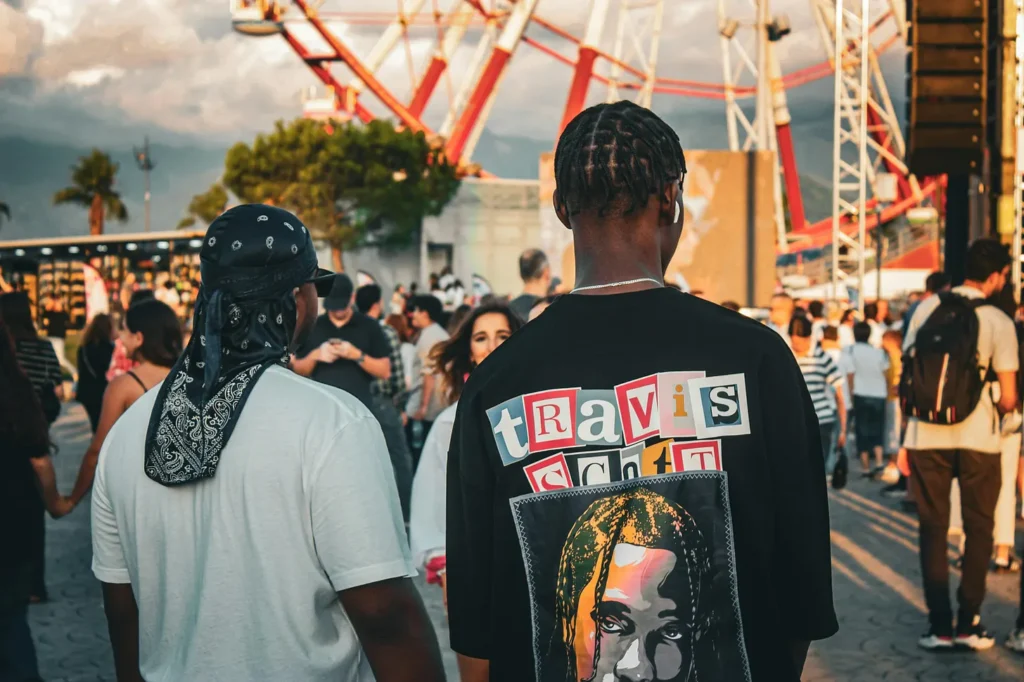
BTS and the Architecture of Fandom
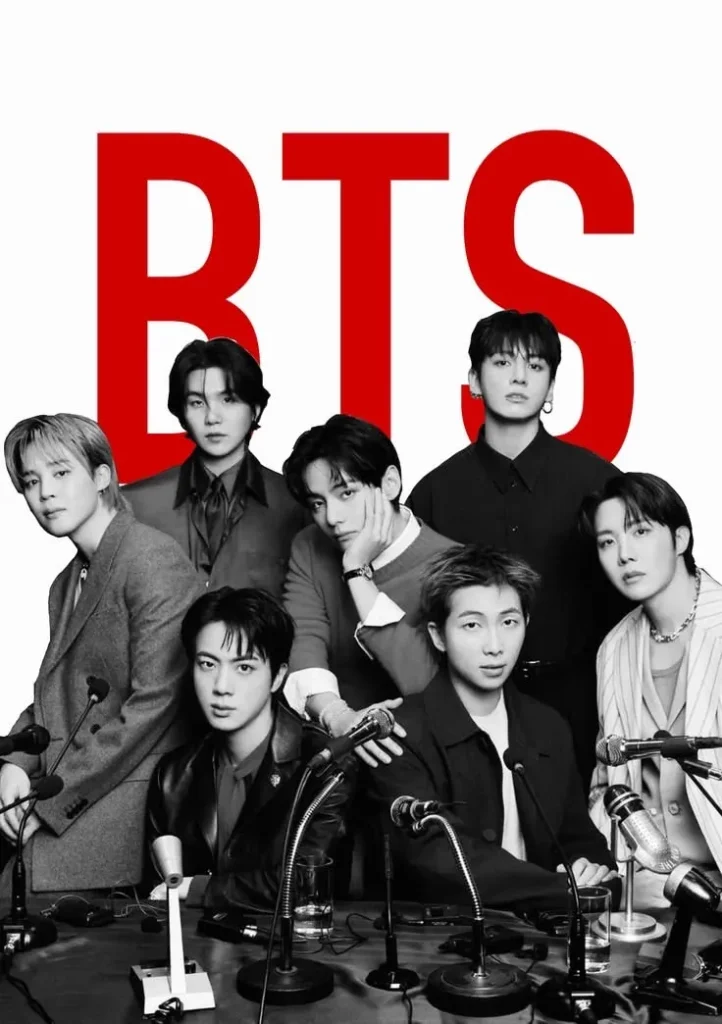
A particularly strong example of intentional community-building in modern music can be seen in BTS and the ecosystem surrounding their fandom, ARMY. As highlighted by Harvard Business School analysis , the group’s success is closely tied to their ability to build what is effectively an “army” of fans through consistent participation-based engagement, emotional connection and storytelling. ARMY functions as a coordinated global network that organizes streaming campaigns, charity initiatives, and cultural projects across countries.
Community is the Product
As of April 2026, Deezer reported receiving nearly 75,000 fully AI-generated tracks every single day, representing 44% of all new uploads on the platform. In another study conducted by Deezer and Ipsos, 97% of listeners could not reliably distinguish AI-generated music from human-made music in blind listening tests.
In this context, music itself is becoming increasingly abundant and reproducible. AI can already generate endless streams and eventually a highly interactive fanbase. But the key distinction lies in why and how it is produced. In that sense, the difference between an AI-generated viral track such as “Pick Up, Amber” and a human-made track is the capacity to build and sustain a human-centered community.

The streaming economy, MIDiA noted, is showing its first signs of maturation after a decade of explosive growth. We believe that growth is still there, but the direction of the industry increasingly suggests that deeper investment in community may be the next major strategy for sustained value. For example, the Music Business Journal analysis of K-pop merch sales, explained that K-pop generates a disproportionate amount of revenue through merchandise, collectible albums, fan events, and participation-driven consumption. The article notes that BTS alone was estimated to contribute billions of dollars annually to South Korea’s economy, while HYBE’s growth has been closely tied to the expansion of deeply engaged fandom communities.
These are direct outcomes of community-building. The community itself becomes part of the product experience, and community members are the ones driving consumption through merchandise purchases, collectible album sales, attendance at fan events, and other forms of participation-driven engagement.
The future of music is about the experiences built around it.
Yes, we love seeing the backstage videos and the “get ready with me” content, but we also want to find community during a fan activation before a concert.
Because in the end, the most lasting part of music is really the lives it brings together.